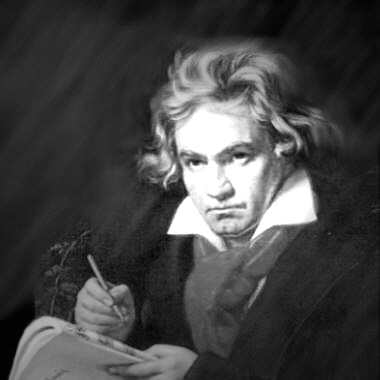
Ludwig van Beethoven (1770 – 1827) was a German composer and pianist. He is widely regarded as one of history's greatest composers, and was the predominant figure in the transitional period between the Classical and Romantic eras in Western classical music. His reputation and genius have inspired and, in many cases intimidated, ensuing generations of composers, musicians, and audiences.
A traditional orchestral arrangement of the great Ludwig van Beethoven’s popular short work Minuet in G Major (WoO 10, No. 2) from the 18th century, featuring lead violin accompanied by orchestra in full harmony; a period piece for film, TV, and advertising. Instrumental, Classical, Romantic, Ludwig van Beethoven
The last part of the famous Moonlight Sonata, requiring skillful playing with its lively and powerful emotional intensity. It quite takes ones breath away to listen to this piece of strong dramatics, inexorable unrelenting pace and accented notes. Instrumental, Classical, Classical Piano, Ludwig van Beethoven
Fur Elise is one of the most well-known of all of Beethoven's piano compositions. It is a beloved melody by one of the world's best composers of memorable melodies. It moves along rather quickly throughout. 2 contrasting sections are interspersed between the three statements of that famous melody. Instrumental, Classical, Classical, Ludwig van Beethoven
A traditional and classical version of Rimsky Korsakov Flight of the Bumblebee. Full of beautiful harmonies and classical / traditional elements, all based around a classical acoustic piano. This track is great to evoke a sense of high class upper society and scenes in stately homes and period drama, Instrumental, Classical, Classical, Ludwig van Beethoven
Beethoven meets Piazzolla. Whimsical version of Beethoven´s Fur Elise with a Libertango-Like musical fusion. Perfect for travelogues, dramatic soundtracks, epic romance, Argentine tryst, Paris love story, luxurious and rich lifestyles, or when you need an important Classical or Tango piece. Instrumental, Latin, Tango, Ludwig van Beethoven
Driven und dynamic rendition of the 4th movement from Piano Sonata No. 1 by Ludwig van Beethoven. It works perfect for animated film, comedy, romantic stories, PBS, Discovery, nature shows, underscore and much more. A positive, fast, energetic and playful piano piece with a nice melodic line. Instrumental, Classical, Classical Piano, Ludwig van Beethoven
Glorious cello and piano duo sparkles with brilliance and energy in this music of Beethoven. Powerful chords and musical comraderie are highlights of this professional performance. Singing melodic cello phrases alternate with dynamic piano technique to produce stunning inspirational result. Instrumental, Classical, Classical, Ludwig van Beethoven
Beethoven’s 5th Symphony, it does not get any more classic than this. This may be the most famous piece of classical music ever written. Featuring a full orchestra this piece takes the user on an epic cinematic journey. Instrumental, Classical, Classical, Ludwig van Beethoven
Intricate cello/piano duo spiderwebbing through complex maze of music written by Beethoven. Brilliantly played by professional master musicians. Fits well in busy behind the scenes, what people never see, the hustle and bustle. Instrumental, Classical, Classical, Ludwig van Beethoven
Piano improvisation on Beethoven's "Fur Elise", starts with the original and then takes off to surprising style, light reminiscence of the original motif with twist to jazzy chords. Romantic drama, movies with live piano scenes, a pianist's restless soul & mad temper, psychological thriller. Instrumental, Classical, Classical Piano, Ludwig van Beethoven
Big, rich acoustic guitar playing this romantic Beethoven masterpiece. Cellos and basses full out this arrangment. Beautiful and wistful. Great for advertising and in any film/TV project. Website, media, CD Rom, corporate presentations. Instrumental, Dramatic, Romantic Music, Ludwig van Beethoven
Featuring a small chamber group, this adaptation of Beethoven's 2nd movement from the Eroica symphony evokes a haunting and mournful dark dramatic mood. This funeral march (Marche funèbre, Trauermarsch) is in a minor key with a slow tempo, imitating the solemn, somber pace of a funeral procession. Instrumental, European, Germany, Ludwig van Beethoven
Spectacular cello/piano duo perform poignant yearning slow movement from a Beethoven cello sonata. Tearful melody pulls at the heartstrings. Is music of mourning and hope, beauty and regret. Instrumental, Classical, Classical, Ludwig van Beethoven
A traditional and classical version of Beethoven Moonlight Sonata. Full of beautiful harmonies and classical / traditional elements, all based around a classical acoustic piano. This track is great to evoke a sense of high class upper society and scenes in stately homes and period dramas, Instrumental, Classical, Romantic, Ludwig van Beethoven
Progressive and innovative version of Beethoven's “Ode to Joy/9th Symphony “. Choir led melody with fresh brostep style drums and bass. A modern take on a classic version of the European Union Anthem. Corporate branding/presentation, website, documentary, infomercial, new product launch and drama, Instrumental, Corporate, Corporate Dramatic Epic, Ludwig van Beethoven
Beethoven's most recognizable sonata in dark colors emoting regal rays of moonbeams, passionate, regal classic piano masterpiece. Melody is somewhat reminiscent of one of Chicago's most beautiful pop songs as well, Colour My World, from time to time. Instrumental, Classical, Classical Piano, Ludwig van Beethoven
'Moonlight Sonata' is the popular name of Beethoven's Piano Sonata No. 14, dated 1801. It is one of his most famous pieces, with a dreamy romantic melody accompanied by somber arpeggios in the left hand. Its relaxed, melancholic quality makes it perfect for scenes involving love, longing and romance, Instrumental, Classical, Classical Piano, Ludwig van Beethoven
Piano version of the second movement of Beethoven's 7th Symphony, when you need a lighter version of a classic. Works well with dramatic scenes, power points, web presentations, commercials, royal events, muzak. Instrumental, Classical, Classical Piano, Ludwig van Beethoven
Next to Fur Elise, this is probably the most well known piano piece that Beethoven wrote. You will recognize the familiar melody with moving notes underneath that continue throughout. Masterfully played here. Instrumental, Classical, Classical, Ludwig van Beethoven
Positive upbeat and lively electronic track with a little mix of a famous, recognizable Ludwig Beethoven melody. Light Fun dance music for underscoring reality, documentary & corporate productions. Instrumental, Dance, Experimental, Ludwig van Beethoven
Romantic Era German composer Ludwig van Beethoven's popular Minuet in G major, WoO 10, No. 2 is a composition originally written for orchestra, but was lost and only an arrangement for piano could be found; the minuet is in ternary form or ABA; great romantic background for film, TV, or video. Instrumental, Classical, Classical, Ludwig van Beethoven
Relax and enjoy this full orchestra presentation of Beethoven's Minuet in G. Perfect for documentaries, office slide shows, PBS, films, commercial music services and many other upscale projects. Instrumental, Classical, Classical, Ludwig van Beethoven
One of Beethoven's most famous Sonatas for piano, conveniently time-edited for use in movie scenes, radio shows, commercials, travelogues, etc. Instrumental, Classical, Classical Piano, Ludwig van Beethoven
A massive cathedral pipe organ slowly plays the plodding steps of a giant. Arranged from Beethoven's masterpiece Sonata No.2 Op.2 (Largo Appassionato). The pipe organs transforms the piece into a sinister and dark walk. Ideal for halloween/horror. Instrumental, Horror, Creepy Organ Music, Ludwig van Beethoven
6th Variation from BEETHOVEN's Variations "Bei Männern welche Liebe fühlen" recorded on real instruments in concert hall. Great for dramatic and romantic films, in-store media, radio productions, background music for television and much more. Instrumental, Classical, Classical, Ludwig van Beethoven
A traditional version of this classic hymn. Think back to Sunday school and your local village church playing classic hymns on their old pipe organ! Very warm and uplifting, great for all your spiritual and religious based visuals, and the perfect aid for easter! Instrumental, Spiritual, Christian Hymns
A synthesizer heavy funky rocking version of one of the most famous themes every composed by Beethoven. Perfect for a comedic effect in your project or even would sound great on your cell. tightly constructed & very musical an excellent backing for film, tv, radio, video, workout video. night life, Instrumental, Comedy, Comedy Classical, Ludwig van Beethoven
Beethoven Symphony No.7 - Allegretto - with a laid back majestic hip-hop twist. Also available as a straight 'classical' variant. Arranged for strings & timpani. Cool corporate ad campaign, great drama and film score for 'The King's Speech' or rapping over! Urban darkness, sneaky gangstas or mafia, Instrumental, Hip Hop, Electro-Orchestral, Ludwig van Beethoven
2nd and 3rd Variation (in one track) from BEETHOVEN's Variations "Bei Männern welche Liebe fühlen" recorded on real instruments in concert hall. Great for dramatic and romantic films, in-store media, radio productions, background music for television and much more. Instrumental, Classical, Classical, Ludwig van Beethoven
European Union Nation Anthem, Original but classical arrangemente, Harp solo. Ideal for Tv, Film, Olimpiadi, Video Games, History, Travel, Children Music, Cartoons. Fanfare. Instrumental, Sports, Sports Anthems, Ludwig van Beethoven
European Union Nation Anthem, Original but classical arrangemente, Harp & English Horn, Chamber music, Ideal for Tv, Film, Olimpiadi, Games, History, Travel, commercials, all media. Instrumental, National Anthem, EU National Anthem, Ludwig van Beethoven
Beethoven Symphony No.7 - Allegretto - arranged for strings and timpani (don't worry, it's still majestic!). Suitable for advertising, moments of great drama and recreations of 'The King's Speech'! Available with commercial edits and see my artist page for the hip hop edit!!! Instrumental, Classical, Romantic, Ludwig van Beethoven
Hard rock version of this Joyful Beethoven Classic! Plays through the melody twice...first with just rock guitars and drums, then with horns and chorus. Perfect for Holiday commercial or alternative wedding scene! Instrumental, Rock, Symphonic Rock, Ludwig van Beethoven
Beethoven's beautiful sonata, sadness and sorrow, enchanting and bewitching, a medical drama, hospital waiting room, at the graveside of a loved one, waiting for bad news, thinking about a recent breakup, dedication and devotion, waiting for a long expected call, anticipating the worst, Instrumental, Classical, Classical, Ludwig van Beethoven
Musical comedy of Beethoven's beloved Fur Elise. Synthesized A Cappella scatting in Bobby McFerrin style. Serious, classical intro that breaks into joyful jazz and bop variation. Wonderful for a light-hearted commercial, animated clip or dance video. A Capella, Cartoon, Cartoon Goof Music, Ludwig van Beethoven
Classical spanish guitar duet with flute, and jazz segue Themes are from Beethoven's 7th symphony 2nd movement. The title reflects an admiration for this great composer the title as in Benny Golson's tune "I remember Clifford" Tribute to the great Clifford Brown.This is a tribute to Ludwig V B... Instrumental, Classical, Classical Guitar, Ludwig van Beethoven
A piece written for a man running wild being out of his mind emotionally imbalanced, maybe jealous, in any case close to being nuts. Or imagine a woman breaking out of her limiting environment, wildly determined to get what she wants. Instrumental, Classical, Romantic, Ludwig van Beethoven
Powerful and dynamic rendition of the third movement from the Piano Sonata No. 4 by Ludwig van Beethoven. Played on a beautiful sounding Bechstein piano it delivers a luxurious and elegant mood. Perfect for weddings, romantic scenes, commercials, historical pieces and similar applications, Instrumental, Classical, Classical Piano, Ludwig van Beethoven
L. van Beethoven. Allegretto From 7th Symphony. First 100 bars. Instrumental, Classical Music, Romantic Period, Ludwig van Beethoven, Instrumental, Classical, Classical, Ludwig van Beethoven
This wonderful rendition of Beethoven's Piano Sonata No. 2 is ready to enliven your project. This movement is perfect for romantic settings, tv underscores, nature shows, documentaries, commercials, peaceful moments, weddings or other similar applications. Great for historical pieces as well. Instrumental, Classical, Classical Piano, Ludwig van Beethoven
Enjoy this spirited clarinet & bassoon duet composed by Beethoven. Great for cartoons, commercial music services, dramatic films, upscale stores, PBS, Discovery and much more. Instrumental, Classical, Classical, Ludwig van Beethoven
Powerful and dynamic rendition of the third movement from the Piano Sonata No. 7 by Ludwig van Beethoven. Played on a beautiful sounding Bechstein piano it delivers a luxurious and elegant mood. Perfect for weddings, romantic scenes, commercials, historical pieces and similar applications, Instrumental, Classical, Classical Piano, Ludwig van Beethoven
A traditional and classical version of Beethoven Fur Elise. Full of beautiful harmonies and classical / traditional elements, all based around a classical acoustic piano. This track is great to evoke a sense of high class upper society and scenes in stately homes and period dramas, Instrumental, Classical, Romantic, Ludwig van Beethoven
Powerful and dynamic rendition of the first movement from the Piano Sonata No. 7 by Ludwig van Beethoven. Played on a beautiful sounding Bechstein piano it delivers a luxurious and elegant mood. Perfect for weddings, romantic scenes, commercials, historical pieces and similar applications, Instrumental, Classical, Classical Piano, Ludwig van Beethoven
A traditional and classical version of Beethoven Ode to Joy. Full of beautiful harmonies and classical / traditional elements, all based around a classical acoustic piano. This track is great to evoke a sense of high class upper society and scenes in stately homes and period dramas, Instrumental, Classical, Romantic, Ludwig van Beethoven
A traditional and classical version of Debussy Clair de Lune. Full of beautiful harmonies and classical / traditional elements, all based around a classical acoustic piano. This track is great to evoke a sense of high class upper society and scenes in stately homes and period dramas, Instrumental, Classical, Romantic, Ludwig van Beethoven
Moonlight Sonata - A modern take on one of Beethoven's most famous and sensitive piano works. Remixed with contemporary ambient sounds suitable for a lunar eclipse. Easily looped for multimedia use. Instrumental, Dramatic, Sad Music, Ludwig van Beethoven
A traditional and classical version of Chopin Funeral March. Full of beautiful harmonies and classical / traditional elements, all based around a classical acoustic piano. This track is great to evoke a sense of high class upper society and scenes in stately homes and period dramas, Instrumental, Classical, Romantic, Ludwig van Beethoven
A traditional and classical version of Beethoven Fur Elise. Full of beautiful harmonies and classical / traditional elements, all based around a classical acoustic piano. This track is great to evoke a sense of high class upper society and scenes in stately homes and period dramas, Instrumental, Classical, Romantic, Ludwig van Beethoven
Moonlight Sonata by Ludwig van Beethoven - The Piano Sonata No. 14 in C♯ minor, first movement Adagio sostenuto. Rare and interesting arrangement for mandolin, violin, cello and double bass at a slightly faster and consistent tempo for use in video productions. Instrumental, Classical, Romantic, Ludwig van Beethoven
'Fur Elise' is the popular name of Beethoven's 'Bagatelle in A minor,' written around 1810. It is one of his most famous pieces, with a romantic melody in the right hand, accompanied by arpeggios in the left hand. It lends itself well to scenes involving love, romance, longing, beauty and history. Instrumental, Classical, Classical Piano, Ludwig van Beethoven
Lively, majestic arrangement of classic Beethoven chorus from Symphony #9 played on vintage tracker pipe organ built in Boston, Massachusetts. Concludes with flurry of fast arpeggios with all the stops pulled out! Great for wedding, celebration, royalty, dignitaries, classical and religious use. Instrumental, Spiritual, Christian Hymns, Ludwig van Beethoven
A traditional and classical version of Mozart Eine Kleine Nachtmusik Full. Full of beautiful harmonies and classical / traditional elements, all based around a classical acoustic piano. This track is great to evoke a sense of high class upper society and scenes in stately homes and period dramas, Instrumental, Classical, Baroque, Ludwig van Beethoven
A traditional and classical version of Mozart Rondo Alla Turca. Full of beautiful harmonies and classical / traditional elements, all based around a classical acoustic piano. This track is great to evoke a sense of high class upper society and scenes in stately homes and period dramas, Instrumental, Classical, Classical, Ludwig van Beethoven
A traditional and classical version of Beethovens 5th Symphony. Full of beautiful harmonies and classical / traditional elements, all based around a classical acoustic piano. This track is great to evoke a sense of high class upper society and scenes in stately homes and period dramas, Instrumental, Classical, Romantic, Ludwig van Beethoven
A traditional and classical short version of Beethovens 5th Symphony. Full of beautiful harmonies and classical / traditional elements, all based around a classical acoustic piano. This track is great to evoke a sense of high class upper society and scenes in stately homes and period dramas, Instrumental, Classical, Romantic, Ludwig van Beethoven
A traditional and classical version of Mozart Eine Kleine Nachtmusik Short. Full of beautiful harmonies and classical / traditional elements, all based around a classical acoustic piano. This track is great to evoke a sense of high class upper society and scenes in stately homes and period dramas, Instrumental, Classical, Classical, Ludwig van Beethoven
Final from BEETHOVEN's Variations "Bei Männern welche Liebe fühlen" recorded on real instruments in concert hall. Great for dramatic and romantic films, in-store media, radio productions, background music for television and much more. Instrumental, Classical, Classical, Ludwig van Beethoven
A modern and stylish revamp of Beethoven's famous 'Moonlight Sonata', made contemporary by an eerie performance on the harpsichord. Perfect for adding spookiness or even as a background for satire or farce. Tempo is also slower than traditionally played, adding to the dramatic sound. Instrumental, Classical, Harpsichord, Ludwig van Beethoven
Ode to joy played in a bluesy rock style. This track is a variation on the theme of Beethoven's symphony no. 9. Great for commercials, comedy, funny videos, movies, and TV. Instrumental, Rock, Blues Rock, Ludwig van Beethoven
3rd Variation from BEETHOVEN's Variations "Bei Männern welche Liebe fühlen" recorded on real instruments in concert hall. Great for dramatic and romantic films, in-store media, radio productions, background music for television and much more. Instrumental, Classical, Classical, Ludwig van Beethoven
The first movement of the Piano Sonata No. 1 by Ludwig van Beethoven is in typical sonata form. It is driven by ascending arpeggiated figures and highly energetic. It works perfect for weddings, romantic scenes, peaceful moments, commercials or other similar applications. Great for historical pieces, Instrumental, Classical, Classical Piano, Ludwig van Beethoven
4th Variation from BEETHOVEN's Variations "Bei Männern welche Liebe fühlen" recorded on real instruments in concert hall. Great for dramatic and romantic films, in-store media, radio productions, background music for television and much more. Instrumental, Classical, Classical, Ludwig van Beethoven
Peaceful and calming third movement of Piano Sonata No. 1 by Ludwig van Beethoven. Delicate and lively it is perfectly suited for weddings, romantic scenes, peaceful moments, commercials, nature shows, tv underscores and other similar applications. Great for historical pieces. Instrumental, Classical, Classical Piano, Ludwig van Beethoven
Familiar light-hearted piece that evokes the feeling of grand ballroom scenes in the Victorian era. Excellent for period pieces, pomp and circumstance or gently formal scenes. Sophisticated and regal, this classic works well for upscale advertising, corporate video or background to fine arts media. Instrumental, Classical, Romantic, Ludwig van Beethoven
Beautiful, romantic solo piano Beethoven's theme with a flowing, gentle character. Tender, caring and heartwarming. Perfect for background and under dialog for Romance, love story, reflection, wedding, photo gallery Beautiful romantic and sentimental piano. Perfect for film, romance, wedding, love. Instrumental, Classical, Classical Piano, Ludwig van Beethoven
Beethoven's Moonlight Sonata performed on a beautiful darker Baldwin grand piano, the expressive and haunting piece of music can be great for romance scenes, nostalgia, or older settings. Instrumental, Classical, Classical, Ludwig van Beethoven
Five minutes of some of the best writing ever for solo piano. Beethovens Moonlight Sonata brilliantly performed on grand piano conjures emotions of sadness, grandeur and unrequited love. Film and dramatic tv productions would benefit greatly from this track. Instrumental, Classical, Classical Piano, Ludwig van Beethoven
The classic Beethoven romantic masterpiece on solo piano. Slow and heavy, yet stately and elegant, probably the most recognizable of Beethoven's many piano compositions. Instrumental, Classical, Romantic, Ludwig van Beethoven
Powerful and dynamic rendition of the second movement from the Piano Sonata No. 4 by Ludwig van Beethoven. Played on a beautiful sounding Bechstein piano it delivers a luxurious and elegant mood. Perfect for weddings, romantic scenes, commercials, historical pieces and similar applications, Instrumental, Classical, Classical Piano, Ludwig van Beethoven
No needs descriptions for this absolute masterpiece of classical music by Ludwig Van Beethoven.Here I made a piano version and also a Mini Moog version,as a 2000's touch. Instrumental, Classical, Classical Piano, Ludwig van Beethoven
Powerful and dynamic rendition of the first movement from the Piano Sonata No. 6 by Ludwig van Beethoven. Played on a beautiful sounding Bechstein piano it delivers a luxurious and elegant mood. Perfect for weddings, romantic scenes, commercials, historical pieces and similar applications, Instrumental, Classical, Classical Piano, Ludwig van Beethoven
Buildup song drama romantic Für Elise's (For Elise) Beethoven meets techno dance artist. Could be used for melancholy scenes or drama. An experimental senses development meetup while creating an edge in life. It has a variety of moods describing all the emotions that life gives us throughout, Instrumental, Electronic, Experimental, Ludwig van Beethoven
Sparkling fast grand finale from Beethoven cello sonata in A maj performed by professional master musicians. Happy and proud, clever and intricate. Inspirational and driving, optimistic dramatic soundtrack, corporate, PBS, A&E, History Channel, commercial, Instrumental, Classical, Classical, Ludwig van Beethoven
Powerful and dynamic rendition of the second movement from the Piano Sonata No. 7 by Ludwig van Beethoven. Played on a beautiful sounding Bechstein piano it delivers a luxurious and elegant mood. Perfect for weddings, romantic scenes, commercials, historical pieces and similar applications, Instrumental, Classical, Classical Piano, Ludwig van Beethoven
The first 8 notes of Classical music's most recognizable riff, followed by a chord. Solo piano. Beethoven's Symphony No. 5, first part. Suzannah Doyle Music. Instrumental, Classical, Classical, Ludwig van Beethoven
TREFLER's arrangement, new modern samba style, sampled piano sound, synthesizer's sound. Very known classical piece arranged in an easy-listening instrumental version. Using new electronical samples and dynamic rhythm make the old song intersting and different than the classical piano version. Instrumental, Classical, Classical, Ludwig van Beethoven
By far the most memorable of Beethoven classic piano complete, robust, delicate and passionate pieces. The drama, beauty and fantasy of a little girls kingdom. Instrumental, Classical, Classical Piano, Ludwig van Beethoven
Bagatelle No. 25 in A minor Op. 33 "Für Elise" is a piece for solo piano, commonly known as "Für Elise" or "Fuer Elise". For Elise is one of Ludwig van Beethoven's most popular compositions. Instrumental, Classical, Romantic, Ludwig van Beethoven
One of the most popular pieces of classical music in this piano solo version. Elegance, charm and rhythm in one track with some changes of character and intensity itself. Perfect to use in commercials, documentaries, discovery, cultural events and much more. Instrumental, Classical, Classical, Ludwig van Beethoven
One of the most famous classical pieces for solo piano. Delightfully playful and hugely popular, its melodies over left-hand arpeggios are instantly recognisable. Luxury products, classic evergreen and an unmistakeable sign of opulence and grandeur. Instrumental, Classical, Classical, Ludwig van Beethoven
Theme from BEETHOVEN's Variations "Bei Männern welche Liebe fühlen" recorded on real instruments in concert hall. Great for dramatic and romantic films, in-store media, radio productions, background music for television and much more, Instrumental, Classical, Classical, Ludwig van Beethoven
This familiar hymn is light and joyous. Perfect for Easter and other occasions! Composed by Beethoven and classical buffs will recognize the melody as "Ode To Joy." This version features a grand piano, a delicate string synth pad, and glockenspiel chimes. Instrumental, Spiritual, Christian Hymns, Ludwig van Beethoven
Powerful and dynamic rendition of the second movement from the Piano Sonata No. 5 by Ludwig van Beethoven. Played on a beautiful sounding Bechstein piano it delivers a luxurious and elegant mood. Perfect for weddings, romantic scenes, commercials, historical pieces and similar applications, Instrumental, Classical, Classical Piano, Ludwig van Beethoven
Christmas and holiday music appropriate for a Christian celebration. Primarily piano-based, occasionally with some accompanying instrumentation. No vocals - can be used to accompany vocals. Much of the choices are quite meditative. Imagine the snow gently falling. Fireplace lit and love in the air. Instrumental, Christmas, Christmas Piano, Ludwig van Beethoven
TREFLER's arrangement, new modern light elegant hip hop style, orchestral, piano and synthesizer. Sensual & alluring for youthful demographic, high fashion, romantic drama, film noir, emotional soap opera, candlelight dinner, boy meets girl. Reflective tender poignant, loving caring and sentimental. Instrumental, Classical, Classical, Ludwig van Beethoven
Powerful and dynamic rendition of the third movement from the Piano Sonata No. 6 by Ludwig van Beethoven. Played on a beautiful sounding Bechstein piano it delivers a luxurious and elegant mood. Perfect for weddings, romantic scenes, commercials, historical pieces and similar applications, Instrumental, Classical, Classical Piano, Ludwig van Beethoven
COMPOSER KEYWORDS: Ludwig van Beethoven,music for tv,stock music tracks,royalty free music loops,stock music downloads,royalty free music library,flash music loops,tv music,royalty free sound,stock music sound effects,music library,royalty-free music,license music,instrumental music,corporate music,music wav,download music clips,film music,music clips,independent music,royalty free background music,music licensing,company music,cheap royalty free music,commercial stock music,production music library,royalty free sounds,website music,music for film,royalty free mp3,AudioSparx,Beethoven, Ludwig van
Ludwig van Beethoven,
music for tv,
stock music tracks,
royalty free music loops,
stock music downloads,
royalty free music library,
flash music loops,
tv music,
royalty free sound,
stock music sound effects,
music library,
royalty-free music,
license music,
instrumental music,
corporate music,
music wav,
download music clips,
film music,
music clips,
independent music,
Beethoven, Ludwig van